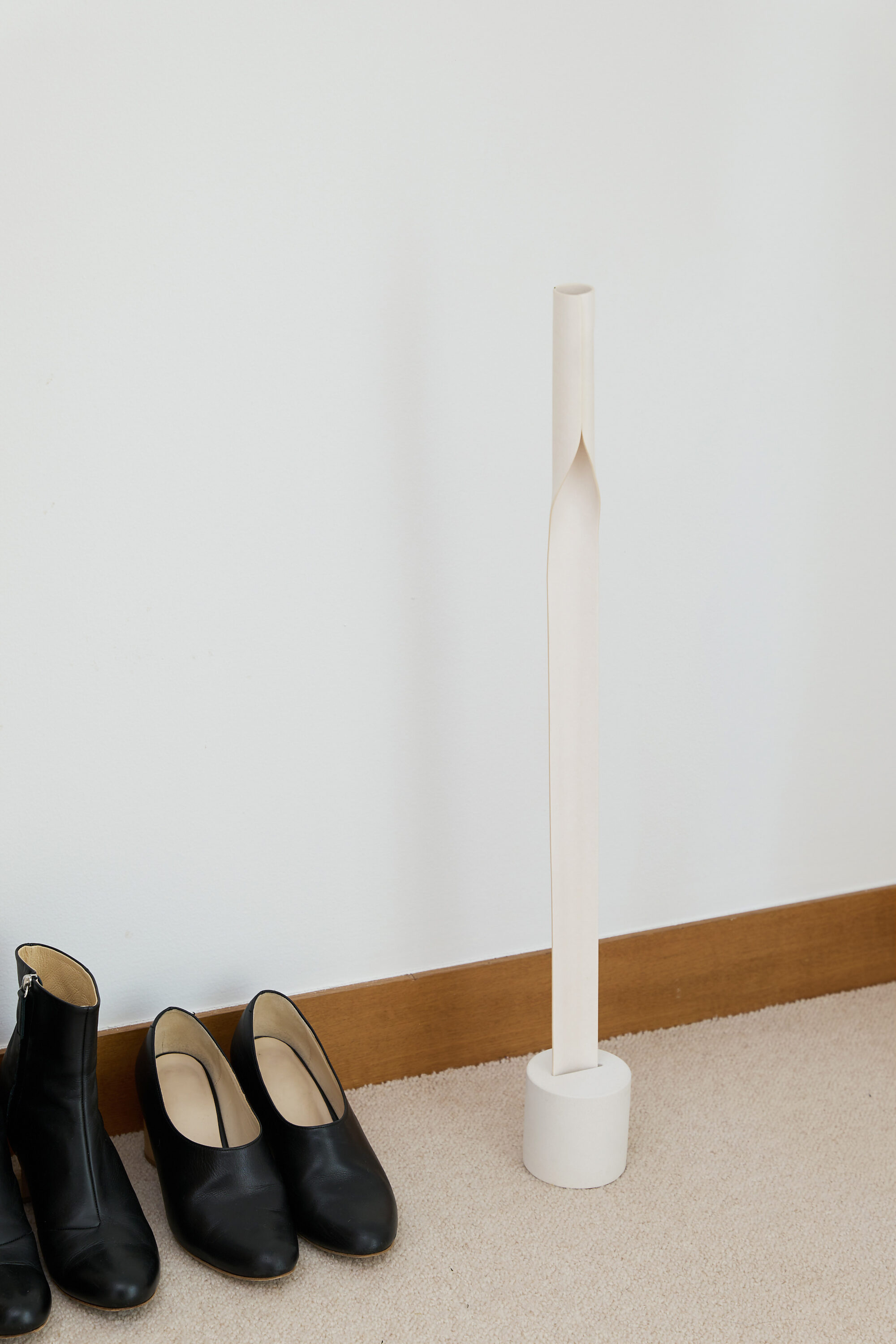
SHOEHORN vol.2
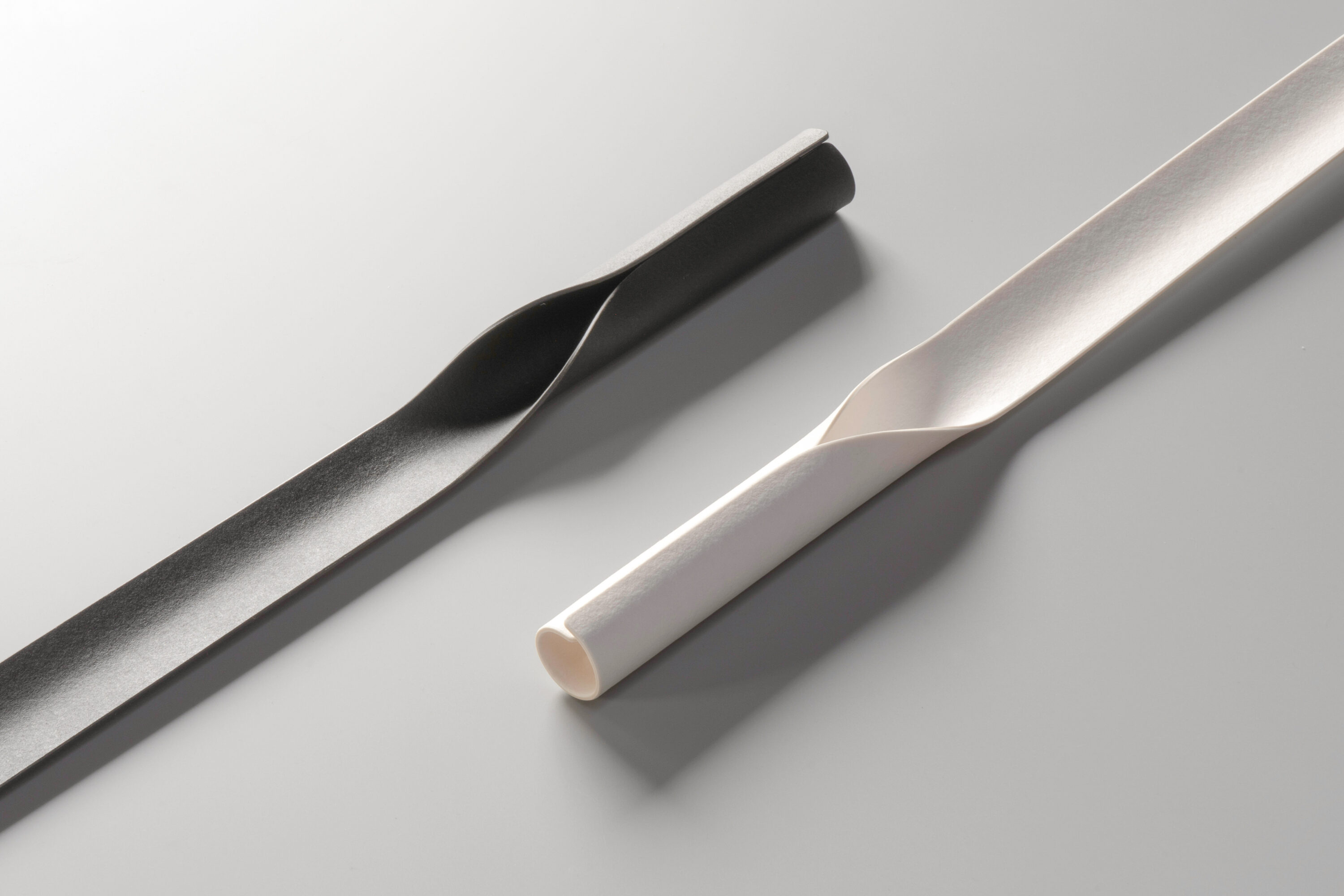
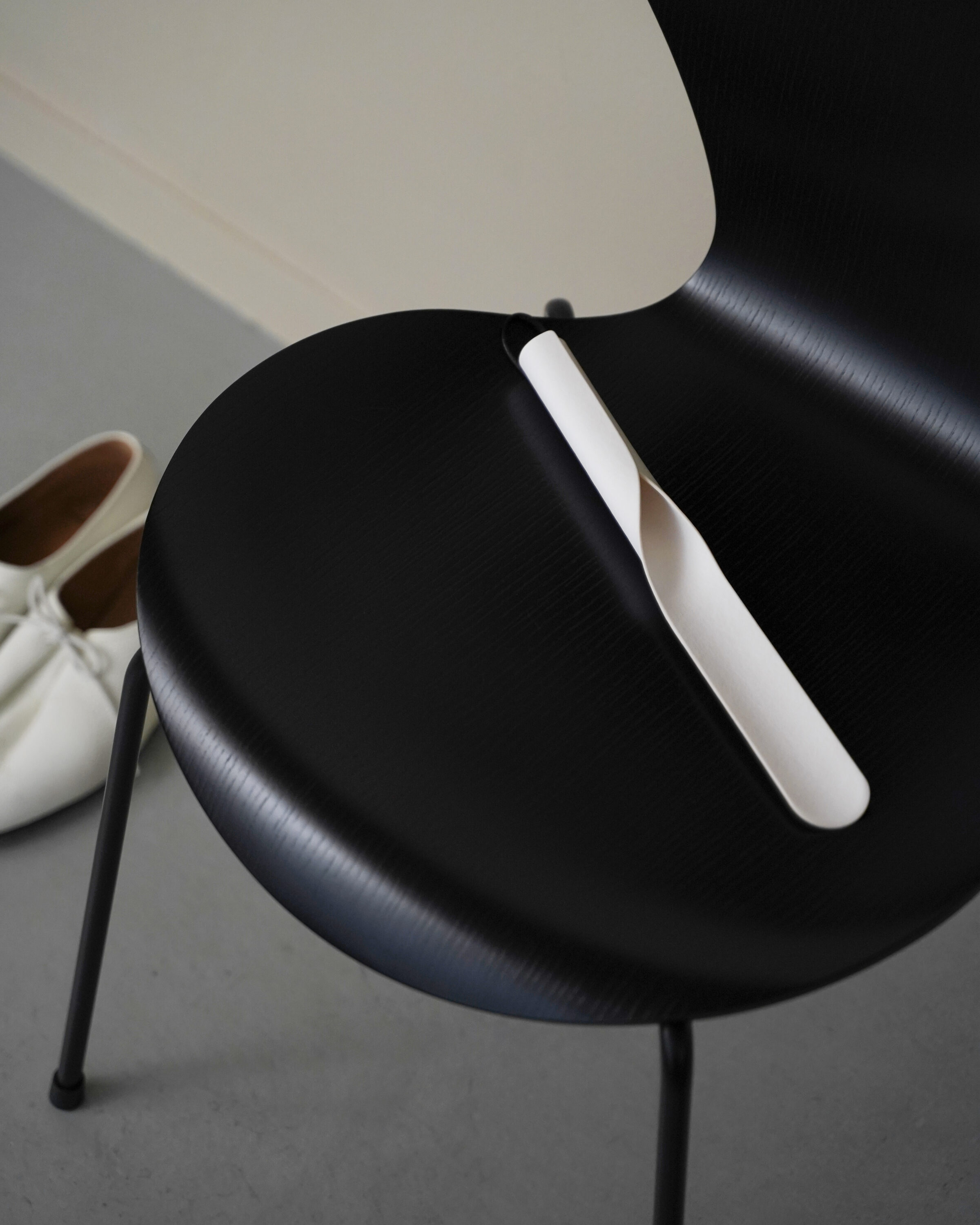
Crafted by hand, the SHOEHORN is meticulously molded from a single, slender sheet of vulcanized fiber.
In 2026, a new short size joined the lineup.
The effortless, smooth fit for the heel is achieved through the dedicated hand-finishing of skilled craftsmen.
Each piece is crafted without compromise—from the gentle curve contoured to the heel to the precise angle and layered fold of the handle.
We interviewed a staff member at “Adachishiki Kogyo” who has been involved in the production of SHOEHORN since the beginning to hear about the challenges and trial-and-error of its development.

A gentle texture rooted in nature. Soft, organic curves shaped by skilled hands.
The SHOEHORN is brought to life through the devoted hand-shaping of a single, slender sheet of vulcanized fiber.
Compact and easily hung from a hook, the short size is a natural fit not only for entryways at home, but also for hotel guest rooms and retail fitting areas.
PRODUCT STORY Vol.19
—— Could you tell us about the history of Adachishiki Kogyo and the vulcanized fiber used for the SHOEHORN?
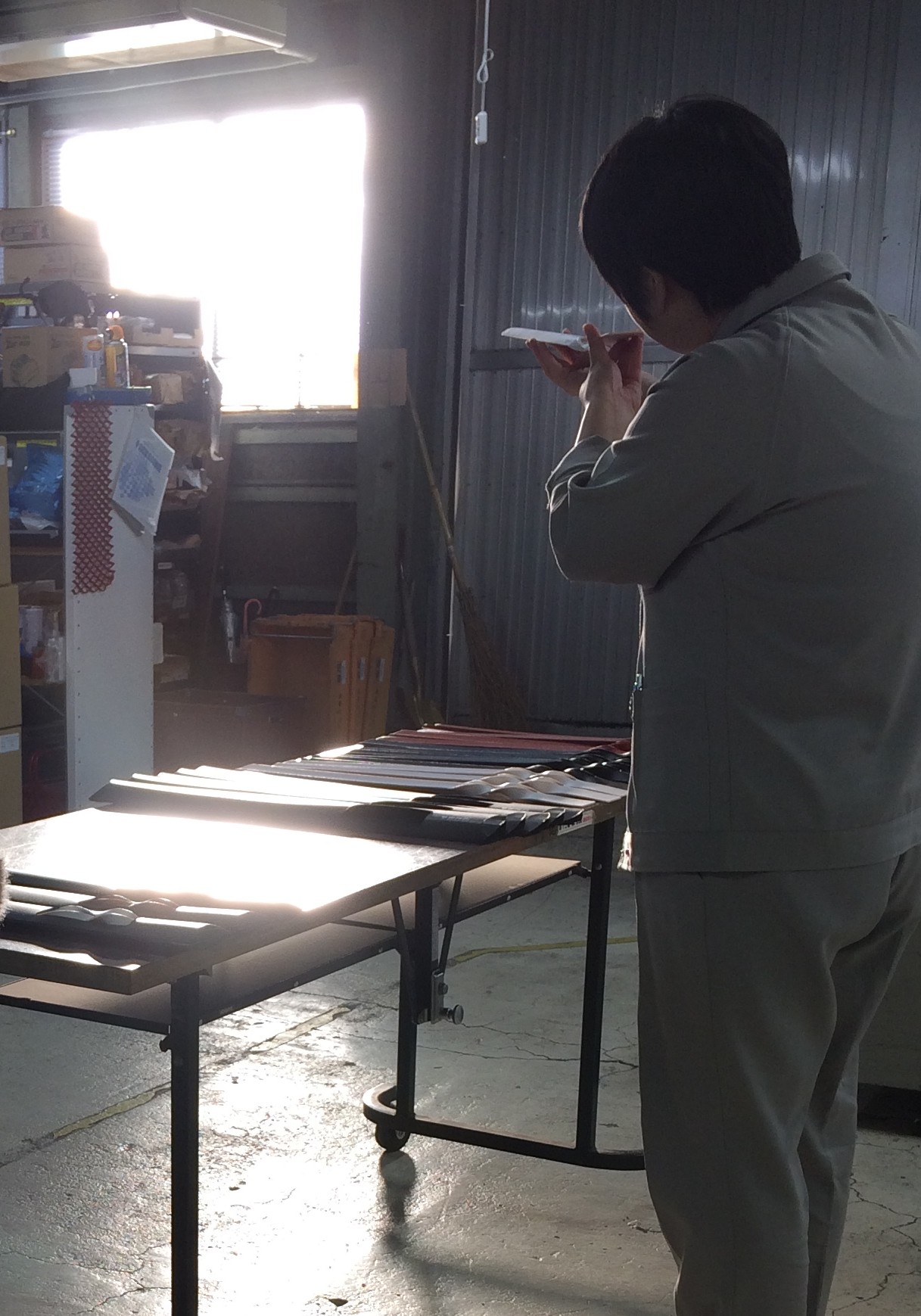
Founded in 1942, we specialize in processing specialty paper materials such as vulcanized fiber, though we originally started out as kimono fabric merchants. At the time, vulcanized fiber served a role similar to modern plastic, widely used to transport ammunition or deliver fuel to frontlines. With government initiatives encouraging manufacturers to process this material, we began working with vulcanized fiber.
Interestingly, while vulcanized fiber is also used as an electrical insulator, the chest protectors in kendo are made from this material as well. At one time, traditional Japanese school backpacks (randoseru) were even crafted from it.
—— We knew vulcanized fiber was a material with quite a long history, but we had no idea it was used during the war. What would you say is the true appeal of this unique material?
To be completely honest, vulcanized fiber is a demanding material to work with. Because it is essentially paper, we cannot use oil during processing, and it can warp or deform depending on humidity and dryness. Yet once shaped into a finished product, its distinct texture and feel offer an inherent warmth that materials like plastic simply cannot replicate.
—— Even before developing the SHOEHORN, our creative director had his eye on this material. Drawn to its unique texture alongside its lightness and exceptional durability, he was eager to see what kind of product we could create with it.
I remember when we exhibited a vulcanized fiber shoehorn at a trade show in 2019, and you reached out to us—that was the very beginning of the MOHEIM SHOEHORN.
However, heading into 2020, the pandemic prevented us from meeting in person to discuss ideas, which lengthened the prototyping phase considerably. Beyond that, the real truth is that it simply took a great deal of time to faithfully bring to life all the subtle design details envisioned for the SHOEHORN.
—— Could you tell us about the challenges you faced during development?
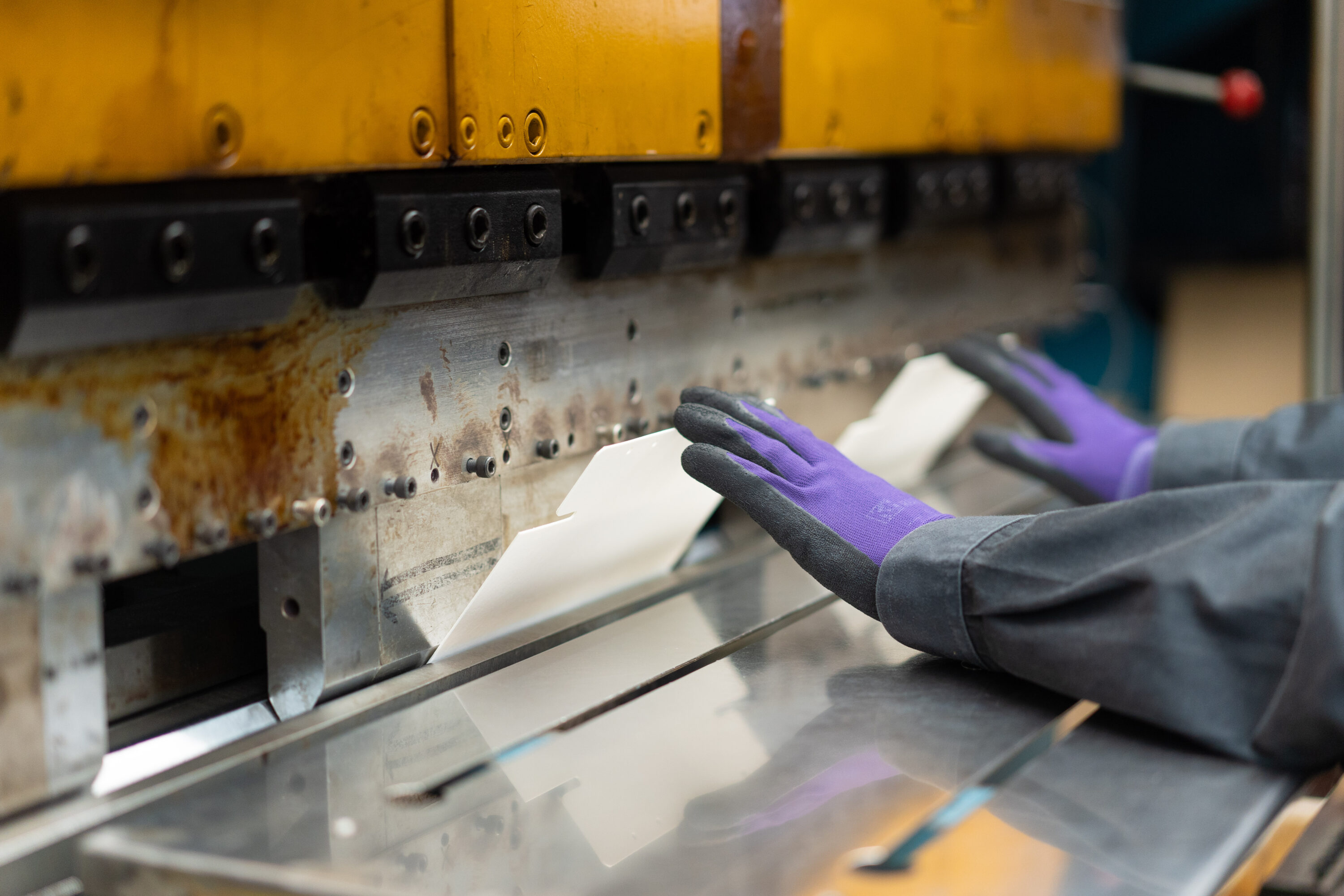
Bending the shoehorn into a U-shape posed no challenge at all, but rolling the handle into a seamless cylindrical form was something we had never attempted before, which left us scratching our heads.
When we tried using rubber bands to curl it into shape, they left visible marks on the surface. Wrapping the entire handle in rubber tubing also proved inconsistent because the tension varied from person to person. Next, we experimented with PVC pipes to shape the curve, but that made it impossible to see how the overlapping layers were forming inside, so we couldn’t roll it properly…
Seeing us struggle, the MOHEIM team stepped in with an idea: “Maybe this will do the trick?” and provided us with custom-made clear acrylic pipes. Just when we thought we had finally cracked the problem, a new hurdle emerged—the edge near the pipe’s opening kept trying to spring open, leaving unwanted crease marks on the surface.
There were moments when I came close to giving up, thinking, “This is just impossible.” But MOHEIM then proposed flaring the end of the acrylic pipe like a trumpet bell. That flared edge completely prevented any marks from forming, and we finally cleared that formidable hurdle.
—— The seamless transition from the rounded handle into the gentle, organic curves of the blade was truly the crux of the SHOEHORN’s design. We adjusted the flat pattern down to the millimeter time and again before having them bend it. We are immensely grateful to everyone on the workshop floor who crafts each piece for us.
I am truly glad that neither side gave up, allowing us to bring this design to life. I believe we ended up with a piece that genuinely showcases the innate beauty and appeal of vulcanized fiber itself.
—— From MOHEIM’s perspective as well, we developed this product firmly believing that vulcanized fiber was the ideal material for a shoehorn. It is lightweight and flexible, with virtually no fear of breaking even if dropped, and above all, it possesses an inherent, natural warmth. While it is inherently the perfect material to enhance the functionality of a shoehorn, it was only through everyone’s dedication and collaboration that we were able to bring out its full potential.
What I admire most about MOHEIM’s design philosophy is its simplicity and restraint—it never overworks the material.
For the SHOEHORN, our development started back in 2019, leading up to its official release in July 2022. When we completed that very first production run and finally shipped the finished pieces, we were overjoyed, though honestly, I quietly wondered if there would ever be any repeat orders [laughs].
To our pleasant surprise, reorders have continued to roll in without interruption, giving us a genuine sense of how much customers appreciate the product.
With the addition of the short version in 2026 broadening the lineup, I truly feel it has established itself as an enduring favorite.